What If a Married Couple Shared One Smartphone?
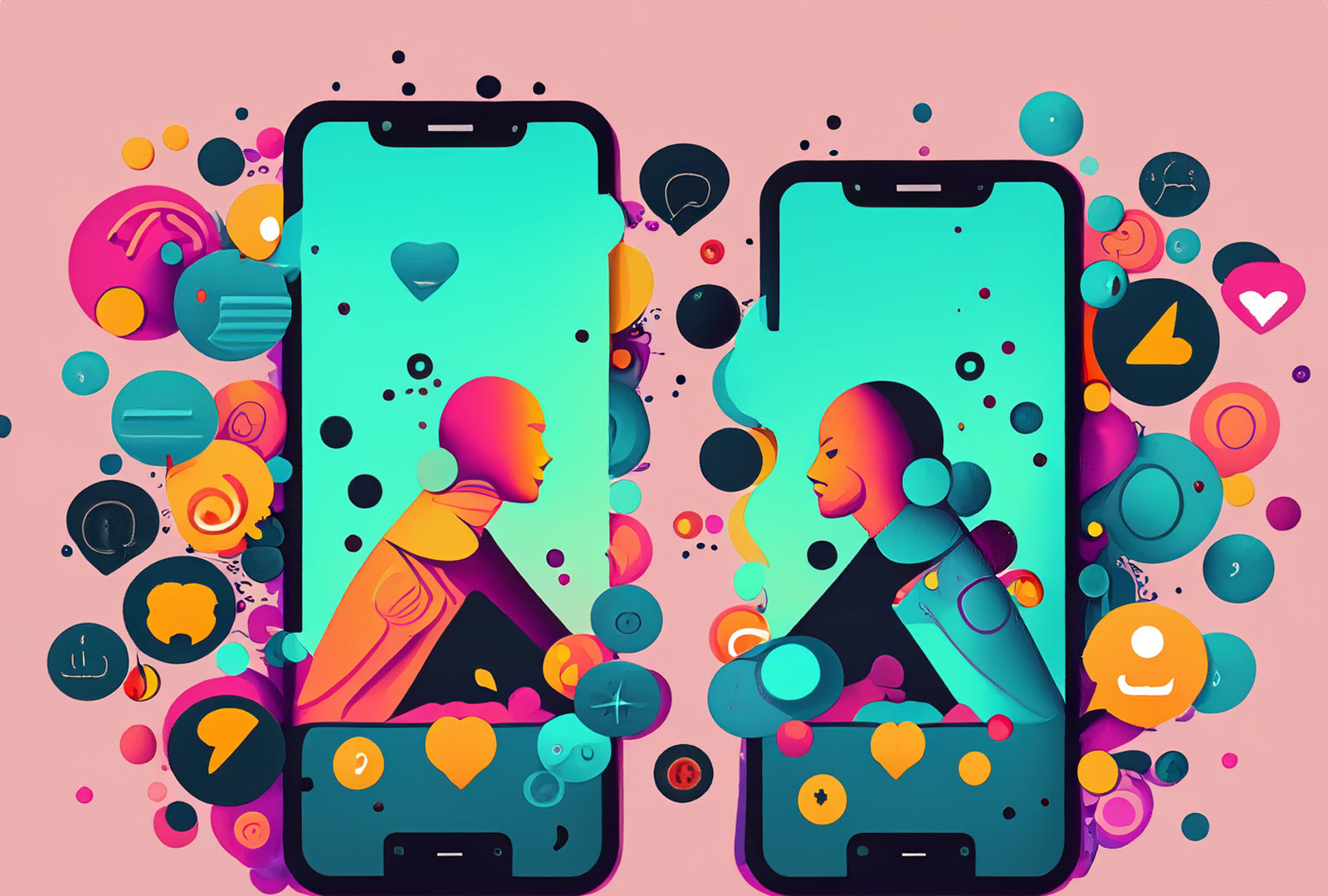
Imagine this: a married couple using one single smartphone. Not two matching devices, not a drawer full of “old backups,” not a smartwatch per person. Just one phone. Shared. Like the family landline used to be, or the joint keys to the old station wagon.
Today, it sounds almost radical. In many countries, including Germany, there are now more phones than people. Having one device per person is considered the bare minimum — anything less feels like digital poverty. But what if that assumption is wrong? What if sharing a smartphone could actually improve life, slow things down, and nudge us toward better habits?
Let’s explore this quietly revolutionary idea.
The Sacred Object We Never Question
Modern smartphones are treated almost like personal sanctuaries. They store our:
-
private chats
-
shopping lists
-
half-baked ideas
-
browser history (no comment)
-
photos we never sort
-
and a thousand micro-tasks we barely remember doing
We guard them fiercely. Handing your phone to someone else feels like giving them a guided tour through your brain. So the idea of sharing one device with your partner? That’s practically a digital trust fall.
Yet couples once shared far more intimate things: one family phone number, one car, one mailbox, one budget. Sharing wasn’t strange — it was normal. Maybe the problem isn’t the idea of sharing a phone. Maybe the problem is what the phone has become.
The Unexpected Benefits of a “Joint” Phone
1. Automatic Digital Detox
The biggest benefit is also the simplest:
If one partner has the phone, the other automatically can’t use it.
No willpower needed. No detox retreats. No guilt.
Suddenly, one person is:
-
unreachable
-
unscrollable
-
unscheduled
-
and wonderfully present
Shared devices create something modern life desperately lacks: natural offline time.
2. Less Mindless Parallel Scrolling
Picture two people on a sofa, each silently doom-scrolling separate feeds. With one phone, that’s impossible. Someone has to put it down. Someone else has to wait. Conversations return by default — not because you planned them, but because there’s not enough screen to go around.
3. More Intentional App Use
If one device must serve two adults, decisions suddenly matter:
-
Which apps stay?
-
Which notifications are essential?
-
What truly deserves our attention?
A shared phone forces a kind of digital minimalism — not out of discipline, but out of logistics.
4. Built-in Transparency (and Trust)
Sharing a phone naturally removes small anxieties common in the digital age:
-
“Why didn’t you answer yet?”
-
“Who texted you?”
-
“What are you doing on your phone?”
When a device is shared, secrecy becomes unnecessary. Not surveillance — simply simplicity.
5. Real Life Becomes More Noticeable
Without a personal phone in your pocket, you notice:
-
sounds, people, weather
-
small moments
-
actual boredom (which is underrated)
-
each other
You start experiencing the world directly again, instead of through a filtered rectangle.
Would It Be Messy? Absolutely.
Of course it wouldn’t be perfect.
You’d have arguments about:
-
whose playlist gets priority
-
who used up the battery
-
who forgot to put it back on the counter
-
why three grocery lists were deleted “by accident”
But perhaps that messiness is part of the charm. Sharing requires communication — the analog kind, spoken out loud.
A Radical Thought in a Hyper-Individual World
Sharing one smartphone raises surprisingly deep questions:
-
Why do we assume constant availability is necessary?
-
Why must everything be personalized and private?
-
Why do we fear missing out on notifications but rarely worry about missing real life?
A joint phone won’t become mainstream anytime soon. But as a thought experiment, it reveals something important:
We don’t need as much digital independence as we think. And we might be happier with less.
Maybe the future isn’t more devices per person.
Maybe — just maybe — the next step forward is rediscovering what we can share.
Comments 0
Write new comment: