How Do You Choose the Right Rug Color for Your Living Room?
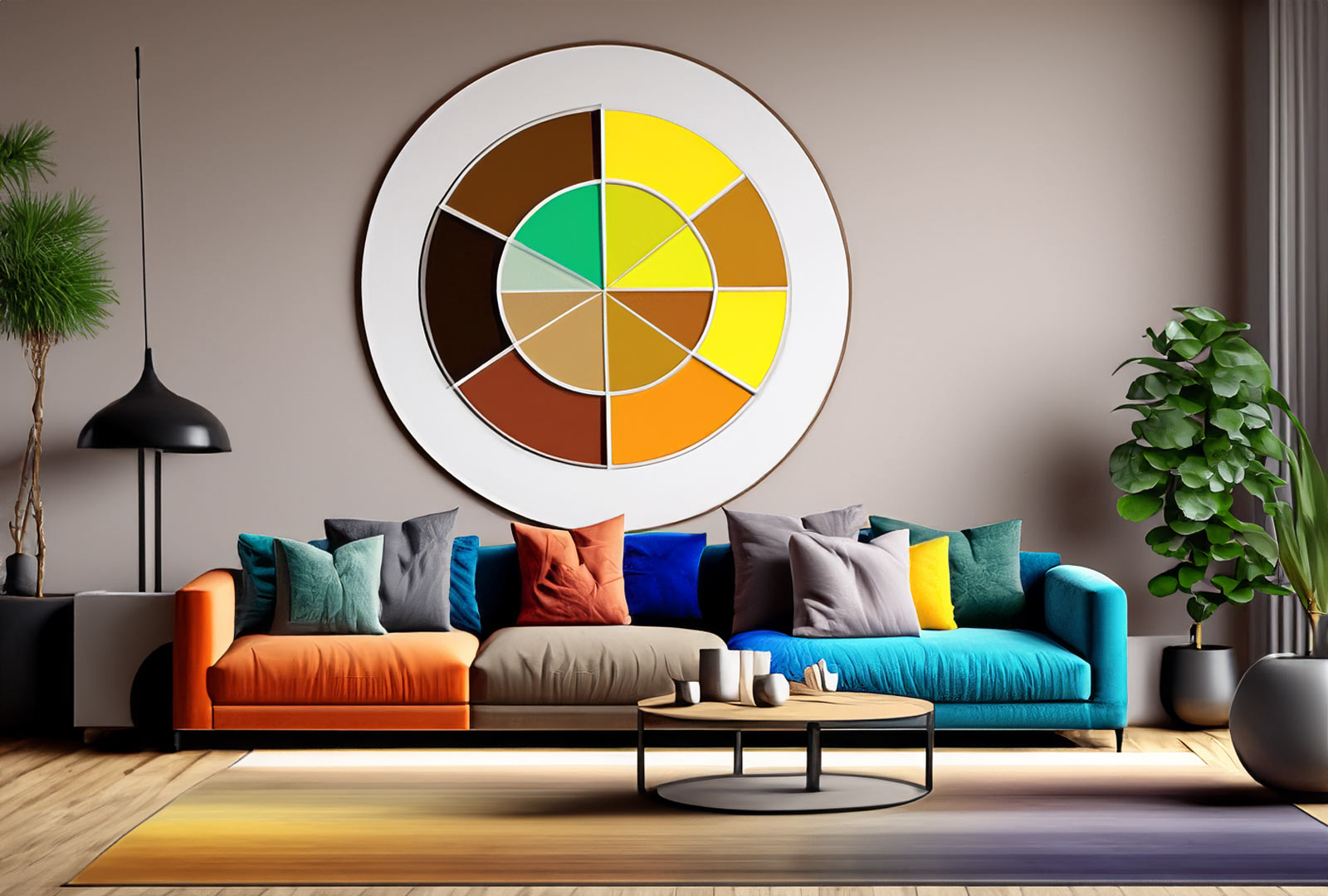
Choosing the right rug color for the living room is a decision that goes far beyond pure decor. A rug brings structure, atmosphere, and often a sense of home – whether it quietly works in the background or deliberately makes a statement. But which color really suits your living space? And what should you consider before making a decision?
1. Understanding the Basic Mood of the Room
Colors tell stories. Warm tones like rust, beige, or ochre create a sense of coziness, while cool colors like blue or gray evoke calm and clarity.
Before choosing a rug color, it is worth taking a conscious look at your existing furnishings: Which colors already appear? Which mood do you want to enhance in the room – or perhaps change?
2. Light Rug Colors: Friendly, Light, and Spacious
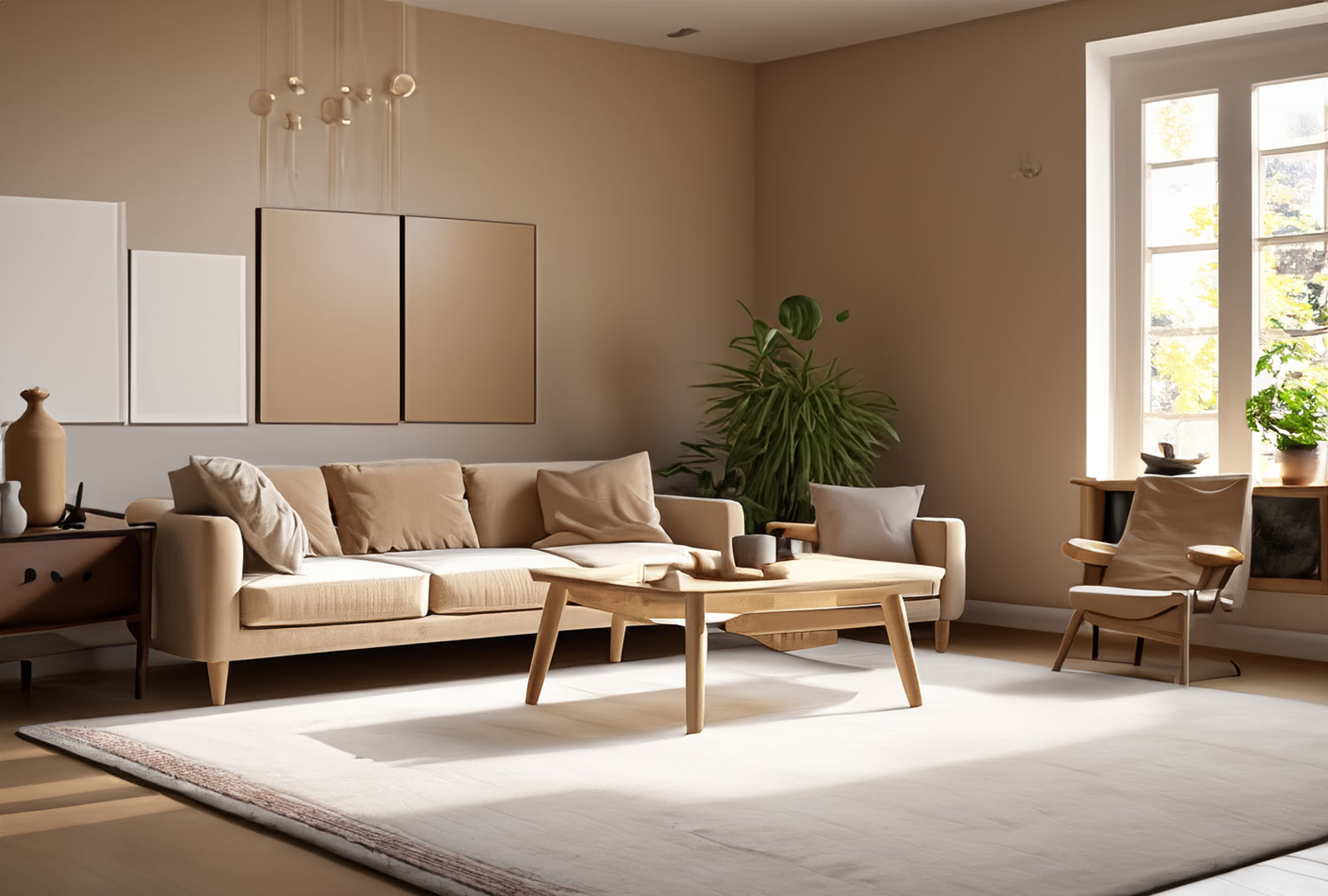
Light rugs open up spaces. Neutral tones like cream or sand are particularly popular. A beige rug fits effortlessly into various interior styles – and always has a pleasantly understated effect.
If your living room gets rather little natural light, a light rug can work like a small „light amplifier“.
3. Dark Rug Colors: Elegance and Depth
Darker tones like anthracite, emerald, or navy bring personality to the living room. They look sophisticated and create depth.
Especially in bright, clearly furnished rooms, dark rugs have a beautiful effect – they create accents without being loud.
Important: Dark rugs draw the eye more strongly. If the room already has many dark elements, this can quickly feel too heavy. In minimalist living spaces, however, they reveal their full strength.
4. Using Color Accents Deliberately
Color accents are the easiest way to give a room character. A rug can function as a connecting element that subtly picks up colors from cushions, pictures, or decorations. This creates a cohesive overall look that feels completely natural.
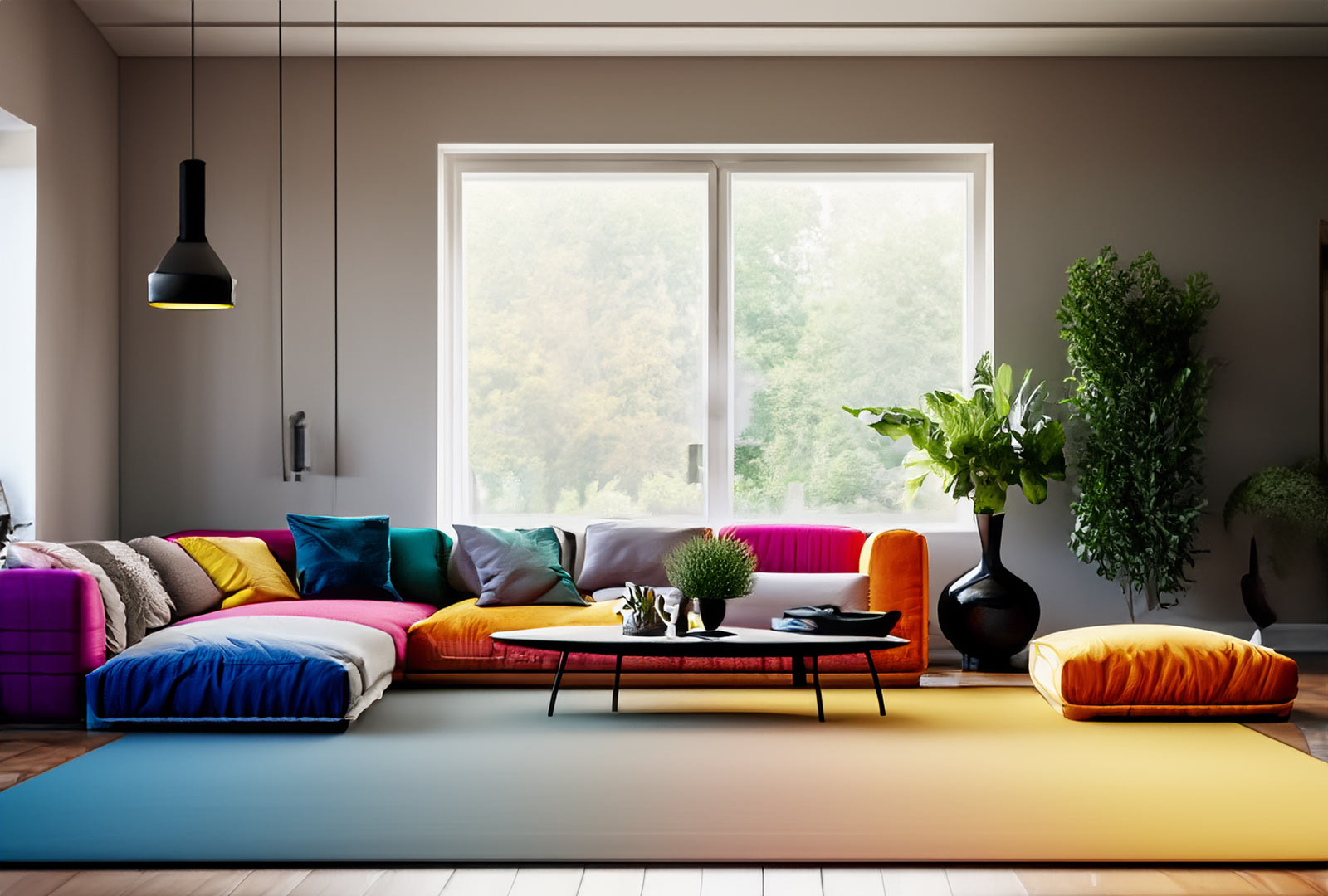
If your living room is kept rather neutral, the rug can certainly make a color statement: a warm yellow for energy, a bold blue for calm, or a muted green for a natural feel.
It is particularly effective when the rug either repeats existing colors or deliberately sets a contrast – both approaches work excellently, just with a different effect.
Color combinations also play a role:
-
Complementary colors (e.g. blue – orange) create tension and strong visual impact.
-
Analogous colors (e.g. blue – green – turquoise) create soft transitions.
-
Monochromatic palettes (different shades of one color) look modern and very clean.
So feel free to be bold here: Often just one rug is enough to make the entire living room feel fresher, warmer, or more harmonious.
Last but not least, you should also factor in your personal style: Are you someone who quickly tires of bold colors? Then a soft accent color might make more sense. If you like to redecorate your living room frequently, rugs in colors that flexibly harmonize with changing decorative elements are recommended.
5. Patterned or Plain?
Patterns also influence the perception of color:
-
Plain rugs look calm and expansive.
-
Patterned rugs conceal signs of wear and create lively accents.
Multi-colored patterns can also connect colors within the room – particularly useful when your living room combines different tones.
6. Taking Materials and Lighting Conditions into Account
One aspect that many people underestimate: material and light can make the same color appear completely different. Because the same color can – depending on the fiber, texture, and light incidence – look entirely different in your home.
Materials:
-
Wool has a matte, natural surface. Colors appear soft, warm, and slightly muted. Wool rugs are therefore ideal if you want to create a cozy, harmonious atmosphere.
-
Viscose or viscose-like fibers have a stronger sheen. Colors appear more intense and change slightly depending on the viewing angle. Particularly light or deep color tones look very elegant here, but are also more delicate.
-
Synthetic fibers such as polypropylene or polyester are colorfast and durable. The colors come through clearly and evenly – perfect for busy households or rooms that need to be hard-wearing.
-
Natural materials such as jute or sisal look earthy and textured. Their colors are usually more natural, more subtle, and ideal for an organic, Scandinavian, or boho-inspired living feel.
Lighting conditions:
Daylight changes color tones throughout the day. In the morning, rugs often appear cooler and clearer, and in the afternoon warmer and softer. If possible, you should therefore view your rug under different lighting conditions.
Artificial light also has a significant influence:
-
Warm white lighting makes colors appear cozier and warmer.
-
Neutral white or cool white light emphasizes cool tones and makes colors more precise.
-
Spotlights can, depending on the beam angle, make shiny fibers shimmer or highlight textures more strongly.
A tip: If your living room gets little natural light, dark rugs often appear even darker, while light colors visually open up the space. With plenty of natural light, on the other hand, you can be bolder with strong colors – as they appear less heavy there.
7. Gathering and Comparing Inspiration
Perhaps you already have an idea in mind, or perhaps you are still in the process of finding one. Both are perfectly fine. A little inspiration almost always helps – whether through interior magazines, Pinterest, or direct product images.
If you would like to buy a rug, you will find a large selection of colors and styles online that can help you compare. This gives you a good overview for your decision.
Conclusion
The right rug color for the living room depends on light, furniture, style, and the desired room atmosphere. A rug can bring calm, set accents, or bring a room together in a new way. The more consciously you make the color choice, the more your living room will become a place where you truly feel at home.
Comments 0
Write new comment: