Everything You Need to Know About Fringe Benefits
In times of rising living costs, many employees are faced with financial bottlenecks. Whether energy, fuel, insurance or groceries: everything is getting more expensive and puts a strain on household budgets. So-called fringe benefits can serve as a monthly financial boost and are used in many companies as attractive perks. Below are the key questions and answers about fringe benefits.
Please note: The following information refers specifically to regulations and tax allowances in Germany.
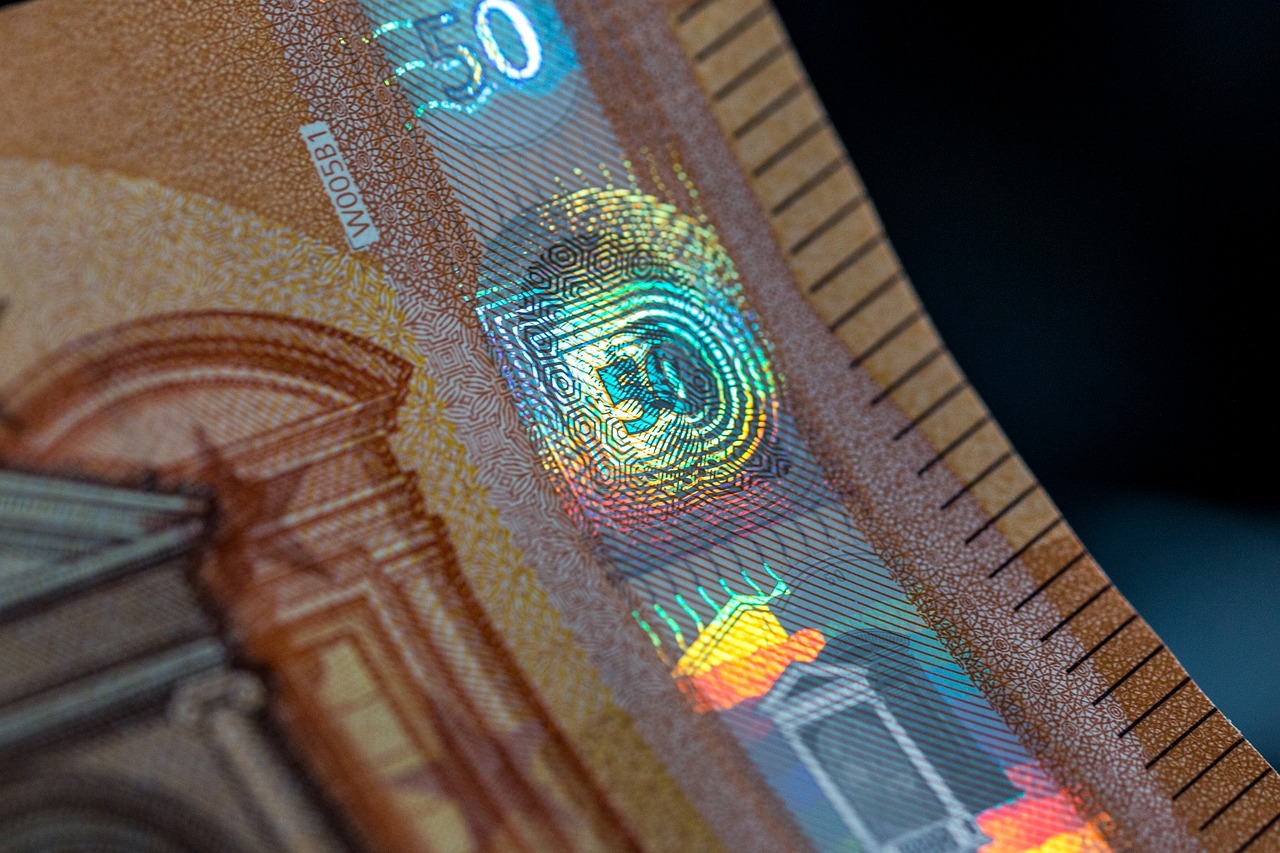
What are fringe benefits?
A fringe benefit is an employer benefit provided in the form of goods or services rather than cash. Typical examples include vouchers for goods and services, gifts for special occasions, meal subsidies and the private use of company vehicles.
In principle, fringe benefits are taxable, which means employers must tax these benefits as a monetary advantage. In addition, many fringe benefits are subject to social security contributions – companies must report the corresponding amounts and pay social security contributions. However, there are tax-free allowances, meaning employees can benefit from tax-free fringe benefits.
Which fringe benefits are tax-free?
No taxes need to be paid on fringe benefits that do not exceed the tax-free allowances. Tax-free and exempt from social security contributions are, for example, the costs of a Christmas party up to an amount of 110 euros per employee in accordance with § 19 of the Income Tax Act (EStG). (Non-cash) gifts to employees – for example on their birthday – are also possible up to 60 euros per year without any taxes or social security contributions being due. These are also known as occasional gifts.
Up to 50 euros in credit per month!
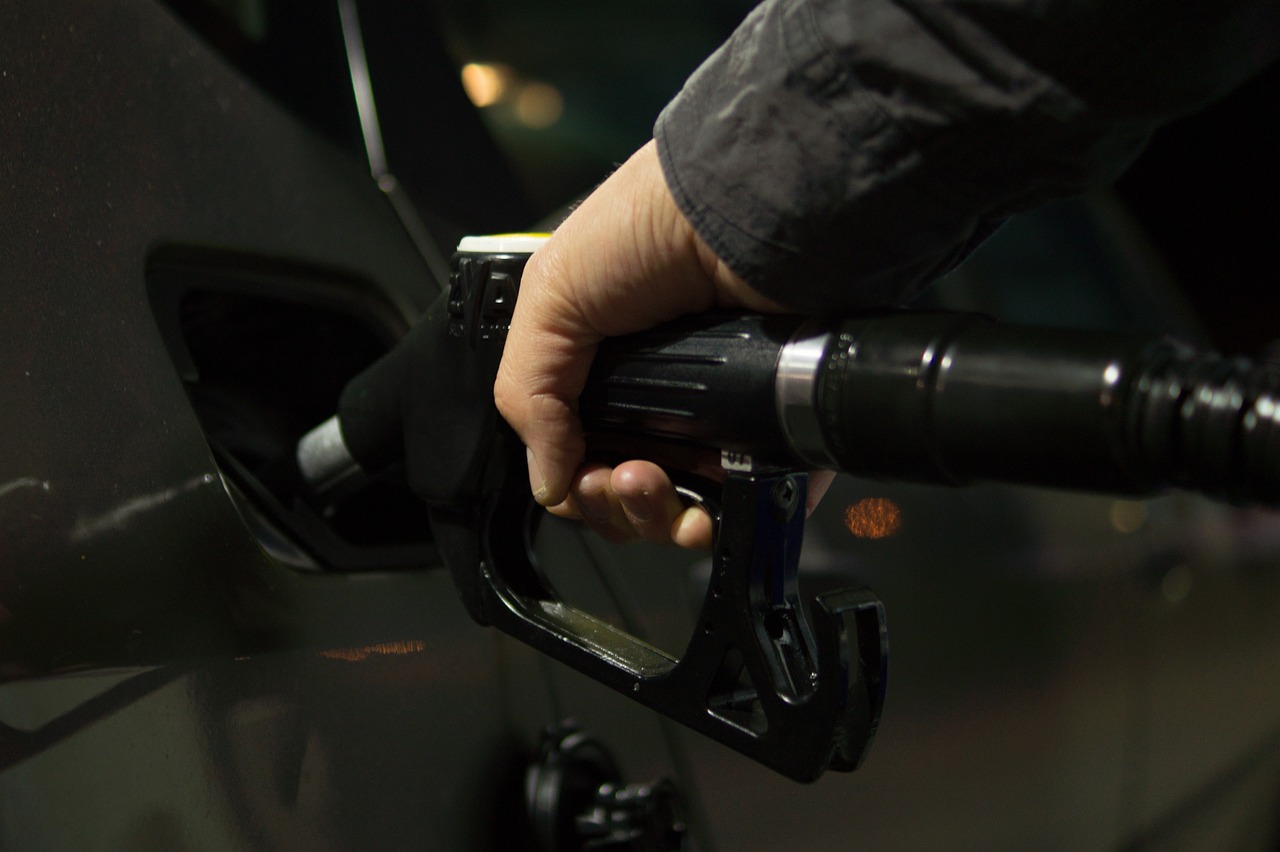
Particularly interesting for employees is a regular credit for non-cash benefits. Since 2022, the tax-free limit of 50 euros per month applies – previously the limit was 44 euros. Popular options include fuel vouchers and merchandise vouchers for partner stores. While the classic commuting allowance is subject to contributions, tax-free fringe benefits can provide up to 600 euros per year for fuel. Alternatively, the amount can be used for groceries, clothing or other purchases, which can provide noticeable financial relief.
How can fringe benefits be organised (via payroll)?
There are now several providers offering convenient management of payroll tax-free fringe benefits. Employees receive, for example, a card that they can carry like a debit card and present at petrol stations and various shops to make payments. Through the respective providers, these cards are loaded with up to 50 euros per month and employees can use them to pay at all affiliated partner outlets. The providers, in turn, handle the entire process including invoicing to the employer for a small monthly fee.
There are differences between providers in terms of the type of voucher and partner network. With the fringe benefit solution from Belonio, companies and employees can, for example, choose between digital vouchers from retailers such as Rewe and Conrad, and regionally usable fringe benefit cards in credit card format. With the digital voucher, employees can select a merchandise voucher via their smartphone every month.
In addition to the practical processing of the fringe benefit, it appears on the payslip. It is first added to the gross salary and then deducted from the net salary. Employees receive the financial benefit as credit on their voucher card or as a digital merchandise voucher.
Do employers also benefit?
Yes, because employers can claim the corresponding fringe benefit vouchers as business expenses. At the same time, companies can use this type of fringe benefit to increase appreciation towards their workforce and boost employee satisfaction.
Employers must generally observe the following points:
- The fringe benefit must never be paid out in cash and there must be no possibility of doing so.
- The fringe benefit must not be offset against the employee's wages.
- If the tax-free allowance of 50 euros is not fully used in one month, the remaining amount may not be carried over to the following month. Example: If an employee receives only 35 euros as a fringe benefit in January, they cannot receive 65 euros tax-free in February. The limit of 50 euros must be adhered to every month.
- Vouchers are only tax-free for goods and services within a limited and regional network. The legislature has excluded cash cards or prepaid credit cards that are accepted on a nationwide basis.
What can the 50 euros be spent on?
Which acceptance points serve as partner outlets depends on the chosen provider. In a letter from the Federal Ministry of Finance on the distinction between fringe benefits (tax-free below the allowances) and cash payments (generally subject to tax and social security contributions), the following goods and services are listed among others alongside clothing and fuel as eligible for cash cards and vouchers:
- Books, newspapers and magazines
- Fitness services
- Streaming services
- Beauty treatments
Do the 50 euros have to be spent every month?
No, employees can also accumulate the amounts and spend them all at once at a later point in time. The fringe benefit is based on the receipt principle, meaning the date on which the vouchers are issued is relevant, not the date on which they are redeemed.
Image credits – Pixabay License: A_Different_Perspective / Skitterphoto
Comments 0
Write new comment: